
Annual vs. Bi-Annual Eye Check-Ups - Which is Better?
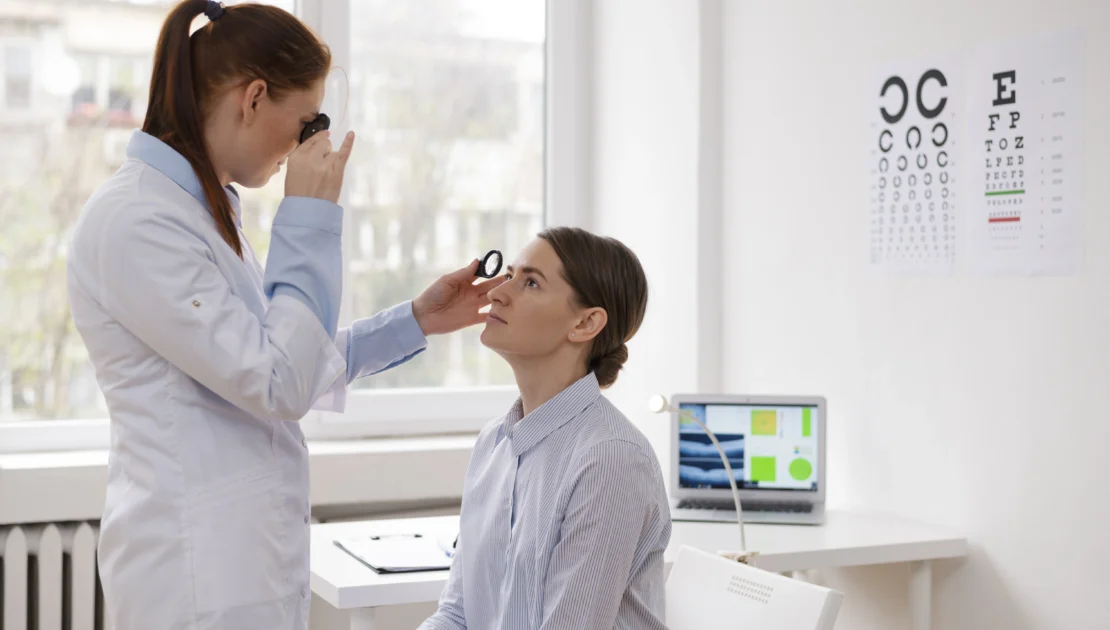
- September 28, 2025
- Comments: 0
- Posted by: Avinash n
Your eyes are the windows to the world, allowing you to experience everything from bright colours to every little detail in life.
Yet, many of us tend to overlook eye health until problems arise, often missing the chance to prevent long-term damage. Regular eye check-ups play an important role in maintaining clear vision, detecting early signs of diseases, and ensuring overall eye wellness.
But the question is – how often should you schedule these check-ups?
While some people are comfortable visiting an eye specialist once a year, others prefer a bi-annual schedule to keep a closer watch on their vision. Choosing the right frequency depends on factors such as age, family history, lifestyle, and existing health conditions.
In this blog, we will be taking you through the key differences between annual and bi-annual eye check-ups, understand their unique benefits, and provide guidance on making the best choice for your eyes. From understanding the procedures involved to knowing when more frequent visits are necessary, this blog will help you make informed decisions about your eye care routine, ensuring that your vision remains sharp and healthy for years to come.
Table of Contents:
- Why Regular Eye Check-Ups Are Important
- Annual Eye Check-Ups
- Bi-Annual Eye Check-Ups
- Annual vs. Bi-Annual Eye Check-Ups – Key Differences
- When to Choose Annual Check-Ups & Bi-Annual Check-Ups
- In Essence
- FAQs
Why Regular Eye Check-Ups Are Important
An eye sight test is not just for checking whether you need glasses. It can also help identify eye diseases like glaucoma, cataracts, and macular degeneration in their early stages.
Visiting a reputed eye checkup hospital ensures you get a complete examination. Early diagnosis not only prevents vision from worsening but also improves the chances of effective recovery. Regular check-ups are, therefore, a simple but powerful way to protect your eyesight and overall well-being at its best.
Annual Eye Check-Ups
For most healthy adults, an annual visit to the best eye specialist is enough to keep their vision in check. An annual eye checkup procedure typically includes vision testing, checking eye pressure, and examining the retina. This schedule is suitable for people with no existing eye problems, no family history of eye diseases, and no chronic health conditions like diabetes.
Bi-Annual Eye Check-Ups
On the other hand, bi-annual check-ups mean visiting your ophthalmologist twice a year. This is often recommended for individuals with specific needs, such as:
- People with a family history of eye diseases
- Those with chronic illnesses affecting vision
- Children and elderly individuals are at a higher risk of eye problems
Visiting every six months helps detect issues even sooner and ensures timely treatment.
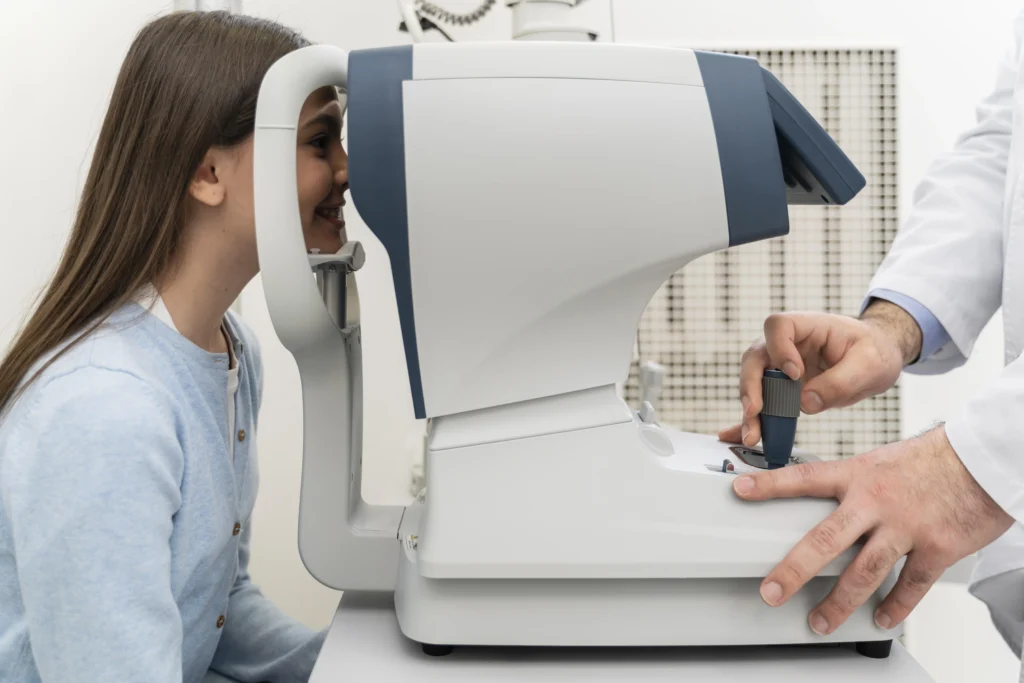
Annual vs. Bi-Annual Eye Check-Ups – Key Differences
Below is a simple breakdown to help you understand the key difference between annual and bi-annual check-ups.
| Criteria | Annual Check-Up | Bi-Annual Check-Up |
| Frequency | Once every 12 months | Once every 6 months |
| Best For | People with no major eye issues | People with a higher risk of eye problems |
| Cost | Lower yearly cost | Higher yearly cost |
| Early Detection Chances | Good | Excellent |
As you can see, while both options are helpful, bi-annual visits offer more frequent monitoring, which can be very important for certain individuals.
When to Choose Annual Check-Ups & Choose Bi-Annual Check-Ups
An annual eye checkup works well for people under 40 with no history of eye problems. If your last eye test results were normal and you don’t experience vision changes, yearly visits are sufficient.
On the other hand, if you have diabetes, high blood pressure, or a history of eye disease, an advanced eye checkup twice a year is a safer choice. Remember that even if you do an online eye test for free, it can’t replace a full examination by a professional eye doctor.
In Essence,
Taking care of your eyes is not just about maintaining clear vision; it is about protecting one of your most valuable senses and ensuring long-term eye health. Whether you choose annual or bi-annual eye check-ups, the key is consistency and awareness.
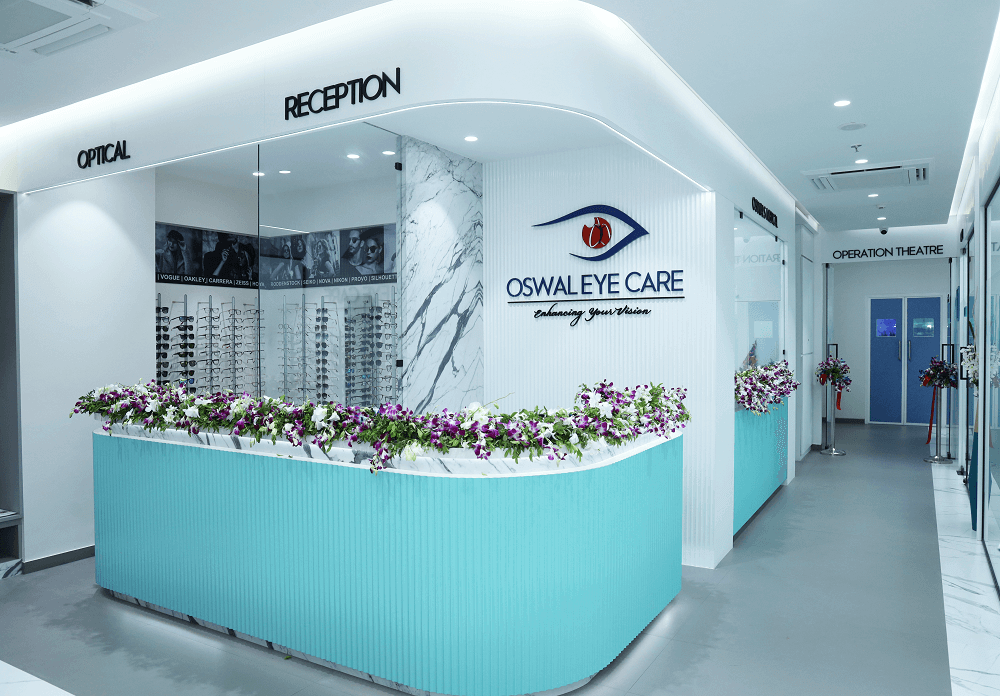
Additionally, selecting the right clinic for an advanced eye checkup, like Oswal Eye Care, with experienced ophthalmologists and modern diagnostic tools, can make your eye care experience effective, convenient, and stress-free. We are always committed to delivering top-quality eye care with modern facilities. Backed by an experienced team of the best eye doctors in Mumbai, we ensure that every patient receives personalized attention and care. Rest assured, at Oswal Eye Care, we believe preventive care is the root of healthy eyes, and we are dedicated to supporting you with expert advice, timely treatments, and a comfortable, patient-friendly environment.
FAQs
Q1. How often should I get an eye checkup done?
It is recommended to get an eye checkup at least once every year to maintain healthy vision. If you have existing eye conditions, a family history of eye disease, or other health concerns, visiting twice a year is ideal.
Q2. Can an eye test near me detect early signs of glaucoma?
Yes, regular eye tests performed by a qualified ophthalmologist can detect early signs of glaucoma, often before noticeable symptoms appear. Early detection allows timely treatment, which can help prevent vision loss and preserve long-term eye health.
Q3. Is an eye sight test enough to replace a full check-up?
No, an eyesight test mainly checks for clarity of vision and the need for corrective lenses. A comprehensive eye check-up examines internal eye health, detects diseases, and evaluates overall eye function beyond basic vision clarity.
Q4. Can I rely only on a free online eye test for my vision needs?
No, while free online eye tests can give a general idea of your vision, they cannot replace professional examinations. Only in-person check-ups can detect hidden eye conditions and provide accurate prescriptions or treatment advice.
