
Eye Chart Test Explained: How It Works and Why It Matters
- October 26, 2025
- Comments: 0
- Posted by: Avinash n
If you’ve ever walked into an eye clinic and been asked to read letters off a wall, you might have wondered, “Why does this matter?” That simple eye chart test is far more important than it looks. It’s often the first step in detecting vision issues, guiding treatment, and even preventing serious eye problems in the future.
At Oswal Eye Care, Chembur, we believe understanding your eyes should be simple and stress-free. Here’s a deep dive into everything you need to know about eye chart tests, why they’re crucial, and what to expect.
What Is an Eye Chart Test? More Than Just Letters on a Wall
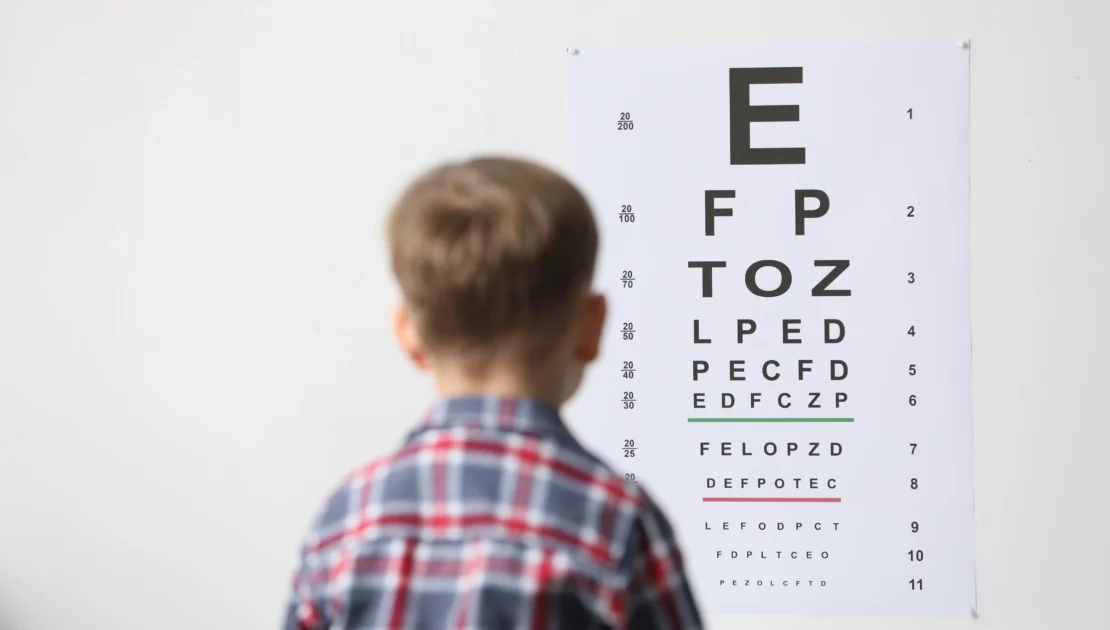
An eye chart test is designed to measure your visual acuity, which essentially tells your doctor how clearly your eyes can see at different distances.
While it may look like you’re just reading letters, this test provides a window into your overall eye health. It helps detect:
- Nearsightedness (myopia) – Difficulty seeing far away objects
- Farsightedness (hypermetropia) – Difficulty seeing close objects
- Astigmatism – Uneven curvature of the cornea causing blurred vision
How the Eye Chart Test Works
Here’s a step-by-step of what happens during a typical eye check up test using a Snellen or similar chart:
- Distance Matters: You’ll usually sit about 20 feet from the chart. In smaller clinics, mirrors may be used to simulate this distance.
- One Eye at a Time: Covering one eye allows the doctor to compare the strength of each eye.
- Reading the Letters: You’ll read letters of decreasing size. The point where you start missing letters helps determine your visual acuity.
- Optional Lens Check: Sometimes, corrective lenses are added temporarily to see if vision improves, helping in prescription decisions.
For those who can’t make it to a clinic, online eye tests or home eye tests can give a rough idea of vision, but they can’t replace the accuracy of a professional eye examination test.
Why It’s Not Just About Vision Sharpness
A lot of people assume the eye chart test is just about updating glasses, but it can reveal more subtle eye health issues:
- Early detection of eye diseases: Conditions like glaucoma, macular degeneration, or even cataracts can first show up as subtle changes in visual acuity.
- Tracking vision changes over time: Repeating the test at regular intervals helps doctors spot gradual deterioration.
- Pediatric screening: For kids, an eye chart test can catch learning-related vision problems early.
Even if you feel your eyesight is fine, a test can reveal hidden issues before they become serious.
Common Misconceptions About the Eye Chart Test
There’s more to an eye chart test than meets the eye. Many assumptions people make about it aren’t entirely true and understanding the reality can change how you think about your eye checkups.
- “I don’t need a test if I see fine.” Vision can change slowly over time — you might not notice gradual deterioration until it’s serious.
- “It only measures nearsightedness or farsightedness.” While visual acuity is the main measurement, it also gives clues about other eye health issues.
- “Online eye tests are enough.” They’re useful for a quick check, but only a professional eye chart test can accurately diagnose eye problems.
Takeaway: Why You Shouldn’t Skip It
An eye chart test is simple, painless, and quick but it carries tremendous value. It’s your first line of defense in preserving vision, catching early issues, and maintaining eye health over time.
If you’ve been putting off a checkup or searching for “free eye checkup near me” or “eye test near me”, stop by Oswal Eye Care, Chembur. A few minutes today can help protect your eyesight for years to come.
FAQs
- How long does an eye chart test take?
Usually 5–10 minutes, sometimes longer if a full eye checkup is being done alongside.
- How accurate are online or home eye tests?
They provide a rough estimate but can’t replace a proper eye examination test by a qualified ophthalmologist.
- How often should adults get an eye chart test?
Every 1–2 years for adults, or sooner if you experience headaches, eye strain, or blurred vision.
- Does it detect serious eye diseases?
Yes, subtle changes in visual acuity may indicate conditions like glaucoma, cataracts, or macular degeneration, prompting further tests like an optic nerve damage test.
- Is an eye chart test necessary if I wear glasses?
Definitely. Vision can change over time, so even with glasses, regular eye check up tests ensure your prescription is accurate and your eyes are healthy.
