
Why Your Contact Lenses Feel Uncomfortable Even With the Right Power
- December 25, 2025
- Comments: 0
- Posted by: Nimesh
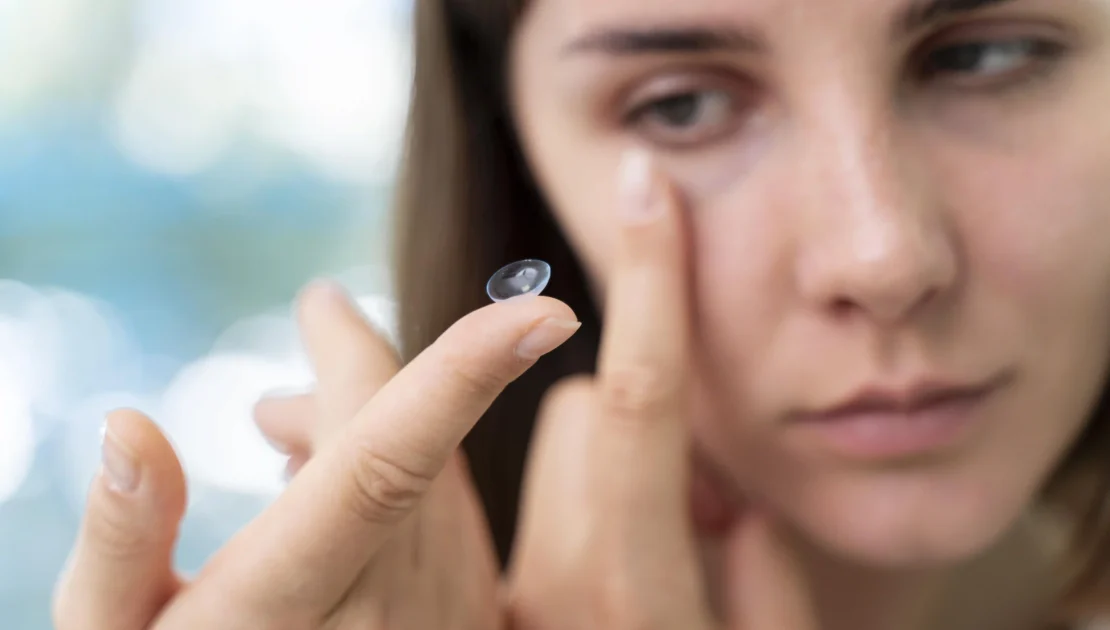
You finally got your contact lens power checked. The numbers match your prescription perfectly. And yet, your lenses still feel uncomfortable. Maybe your eyes feel dry, itchy, heavy, or slightly blurry by the end of the day.
This is far more common than people realise. Discomfort does not always mean the power is wrong. At Oswal Eye Care in Chembur, many patients come in worried that contact lenses are not safe for their eyes, when the real issue lies elsewhere.
Let us break down why contact lenses can feel uncomfortable even with the correct power and what you can do to fix it.
Spectacle to Contact Lens Conversion Is Not Always Exact
One of the biggest reasons for discomfort is incorrect spectacle to contact lens conversion. Glasses sit a short distance away from your eyes, while contact lenses rest directly on the cornea. Because of this, the power required for lenses is often slightly different from spectacle power, especially for higher prescriptions.
Using a contact lens power converter or contact lens power calculator helps, but it cannot replace a proper contact lens fitting done by an eye doctor. Even a small mismatch can lead to eye strain and discomfort.
The Contact Lens Material Matters More Than You Think
Not all lenses are made the same. Contact lens material plays a huge role in comfort.
Soft Contact Lens Material
Most people wear soft contact lenses because they are flexible and comfortable. However, within soft lenses, materials vary in:
- Oxygen permeability
- Water content
- Moisture retention
If your lens does not allow enough oxygen to reach your eyes, dryness and irritation can occur, even if the power is correct.
Rigid or Specialised Lenses
Some people with cylindrical power or astigmatism require special contact lens designs. Using standard lenses instead of a contact lens for cylindrical power can cause poor vision and discomfort.
Base Curve and Diameter Are Often Ignored
Many people focus only on power, but base curve and diameter are just as important.
- The base curve determines how well the lens fits the shape of your eye
- The diameter affects how the lens sits and moves
If these values are wrong, lenses may feel tight, shift too much, or cause redness. This is why ordering lenses based only on an online prescription can be risky.
Poor Contact Lens Hygiene Causes Discomfort
Improper cleaning is a major cause of irritation and infection.
Common Hygiene Mistakes
- Not cleaning lenses daily with proper contact lens solution
- Reusing old solution in the contact lens box
- Not replacing the contact lens cleaner or lens case regularly
- Touching lenses with unwashed hands
Learning how to clean contact lens correctly is essential. Even a perfectly fitted lens can cause discomfort if hygiene is poor.
Wearing Lenses for Too Long
Many people ask, can we sleep with contact lens? The answer is no, unless your doctor has prescribed lenses specifically designed for overnight use.
Sleeping with lenses reduces oxygen to the eye and increases the risk of contact lens infection. Long daily wear without breaks can also cause dryness and discomfort, especially in air-conditioned or screen-heavy environments.
Contact Lens Design and Usage Style
Different lifestyles need different contact lens designs.
- Daily disposable lenses reduce infection risk
- Monthly lenses require strict cleaning
- Cosmetic lenses require accurate contact lens colour chart selection
Using the wrong lens type for your routine can cause discomfort even if power and fit are correct.
First-Time Wearers Often Experience Discomfort
If you are learning how to wear contact lens for the first time, mild discomfort is normal.
- Improper insertion technique
- Not using a contact lens applicator or remover correctly
- Blinking excessively while inserting
Your eyes usually adjust within a few days. If discomfort persists, a refitting may be required.
Contact Lens Infections and Complications
Ignoring discomfort can sometimes lead to contact lens eye infection.
- Redness
- Pain
- Discharge
- Sensitivity to light
- Sudden blurry vision
Are Contact Lenses Safe for Eyes?
Yes, contact lenses are safe when proper lens material is chosen, lenses are fitted professionally, hygiene rules are followed and wear time is respected. Problems usually arise from misuse, not from the lenses themselves.
Conclusion
If your contact lenses feel uncomfortable despite having the right power, the issue is rarely just the number on your prescription. Fit, material, hygiene, wear time and lens design all play a crucial role in how your eyes feel throughout the day.
Instead of giving up on lenses or assuming your eyes cannot tolerate them, a proper contact lens evaluation can make all the difference. Comfortable vision is not about adjusting to pain, it is about finding the right solution for your eyes and lifestyle.
FAQs
- Why do my contact lenses feel dry by evening?
This may be due to low oxygen flow, long wear hours, screen exposure or unsuitable lens material.
- Can I use my spectacle power for contact lenses?
Not exactly. Spectacle to contact lens conversion requires adjustment, especially for higher powers.
- Is it safe to sleep with contact lenses?
No. Sleeping with lenses increases the risk of infection unless specially prescribed.
- Are contact lens infections serious?
Yes. Untreated infections can damage the cornea and affect vision permanently.
- Do contact lenses work for cylindrical power?
Yes, but they require specially designed lenses for proper comfort and clarity.
