
How Diabetes Can Affect Your Retina and What You Can Do About It
- July 22, 2026
- Comments: 0
- Posted by: Avinash n
Most people with diabetes know the importance of monitoring their blood sugar, but many are unaware that diabetes can also have a serious impact on their vision. In fact, diabetes is one of the leading causes of vision loss among adults, largely due to a condition called diabetic retinopathy.
The concerning part is that this condition often develops silently. Many people do not notice any symptoms until significant damage has already occurred. Understanding how diabetes affects your retina and taking timely action can make a huge difference in protecting your eyesight.
At Oswal Eye Care in Chembur, regular retinal screenings help detect early changes before they threaten vision, giving patients the best chance of preserving their sight.
What Is Diabetic Retinopathy?
Let’s start with the basics: what is diabetic retinopathy?
Diabetic retinopathy is a diabetes-related eye condition that affects the retina, the light-sensitive tissue at the back of your eye that helps you see clearly.
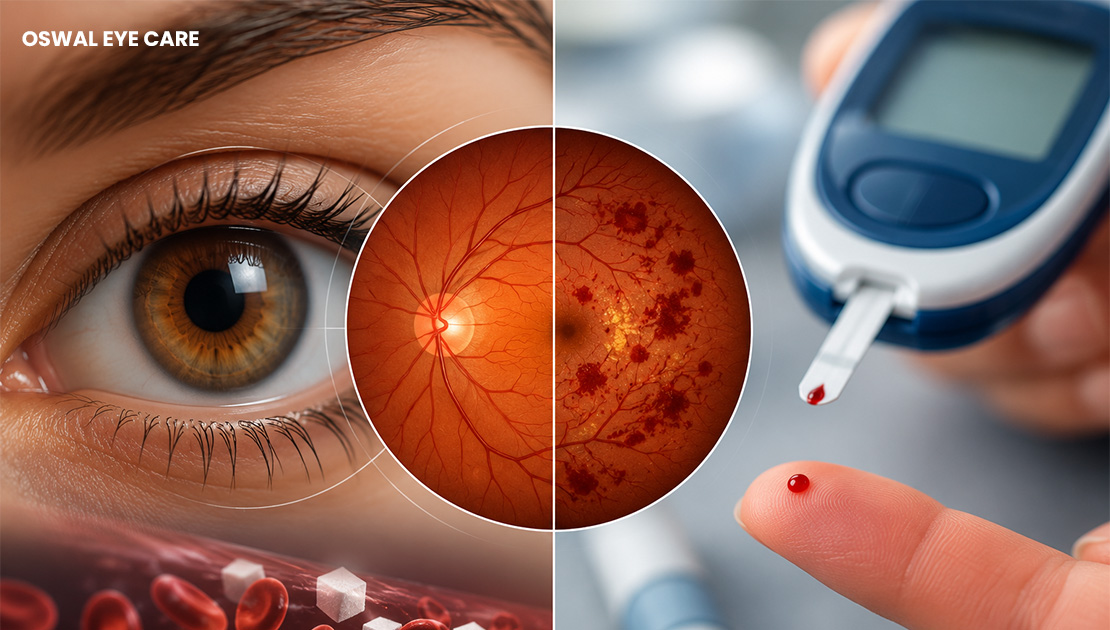
When blood sugar levels remain high for long periods, they can damage the tiny blood vessels in the retina. These damaged vessels may leak fluid, swell, or even close off completely, affecting the retina’s ability to function properly.
Over time, this can lead to vision problems and, if left untreated, permanent vision loss.
How Diabetes Damages the Retina
The primary diabetic retinopathy causes are prolonged high blood sugar levels and poor diabetes control.
High blood sugar can:
- Weaken retinal blood vessels
- Cause fluid leakage into the retina
- Lead to swelling of retinal tissue
- Trigger the growth of abnormal blood vessels
These changes affect how visual information is processed, resulting in blurred or distorted vision.
Because the retina plays a critical role in sight, even small amounts of damage can significantly impact vision quality.
What Is the First Sign of Diabetic Retinopathy?
One of the most common questions patients ask is: What is the first sign of diabetic retinopathy?
The challenge is that early-stage diabetic retinopathy often causes no noticeable symptoms.
As the condition progresses, early warning signs may include:
- Mild blurred vision
- Difficulty focusing
- Seeing floating spots or dark specks
- Fluctuating vision quality
- Reduced night vision
These subtle changes are often overlooked, which is why routine diabetic retinopathy screening is so important.
Common Diabetic Retinopathy Symptoms
As retinal damage becomes more advanced, patients may experience more obvious diabetic retinopathy symptoms.
Common signs and symptoms of diabetic retinopathy include:
- Blurred vision
- Floaters or dark spots
- Distorted vision
- Difficulty reading
- Reduced color perception
- Dark or empty areas in the visual field
- Sudden vision loss in severe cases
Understanding the Stages of Diabetic Retinopathy
There are different diabetic retinopathy stages, and identifying them early can help prevent serious complications.
-
Mild Non-Proliferative Diabetic Retinopathy
This is the earliest stage. Tiny retinal blood vessels begin to weaken and develop small bulges called microaneurysms.
-
Moderate Non-Proliferative Diabetic Retinopathy
Some blood vessels become blocked, reducing blood flow to parts of the retina.
-
Severe Non-Proliferative Diabetic Retinopathy
A larger number of retinal blood vessels become damaged, increasing the risk of vision-threatening complications.
-
Proliferative Diabetic Retinopathy
This is the most advanced stage. New abnormal blood vessels grow on the retina and can bleed into the eye, causing significant vision loss.
Understanding these diabetic retinopathy stages highlights why regular eye exams are essential even when vision seems normal.
How Is Diabetic Retinopathy Diagnosed?
Early diabetic retinopathy diagnosis is often possible before symptoms appear.
A comprehensive retinal examination may include:
- Dilated eye examination
- Retinal photography
- Optical coherence tomography (OCT)
- Fluorescein angiography when necessary
These tests allow specialists to identify retinal damage and begin treatment before vision is significantly affected.
Diabetic Retinopathy Treatment Options
The good news is that several effective diabetic retinopathy treatment options are available today.
Treatment depends on the stage and severity of the condition.
Blood Sugar Management
The foundation of treatment is maintaining stable blood sugar levels. Good diabetes control can slow disease progression and improve outcomes.
Diabetic Retinopathy Laser Treatment
Diabetic retinopathy laser treatment helps seal leaking blood vessels and reduce abnormal vessel growth.
Laser therapy remains one of the most effective ways to prevent further retinal damage in many patients.
Eye Injections for Diabetic Retinopathy
Modern eye injections for diabetic retinopathy help reduce retinal swelling and block the growth of abnormal blood vessels.
These medications have significantly improved treatment outcomes and vision preservation.
Diabetic Retinopathy Medications
Certain diabetic retinopathy medications are delivered through injections directly into the eye and may require multiple treatments over time.
Your retina specialist will determine the most appropriate treatment plan based on your retinal findings.
Complications of Diabetic Retinopathy
Untreated retinal damage can lead to serious complications of diabetic retinopathy, including:
- Vitreous hemorrhage
- Retinal detachment
- Glaucoma
- Permanent vision loss
These complications become more likely when diagnosis and treatment are delayed.
Conclusion
Understanding diabetic retinopathy, recognizing the warning signs, and scheduling regular eye exams are essential steps in protecting your eyesight.
At Oswal Eye Care in Chembur, comprehensive retinal examinations, advanced imaging technology, and personalised treatment plans help patients manage diabetic eye disease and preserve healthy vision for the future.

FAQs
1. What is diabetic retinopathy?
Diabetic retinopathy is a diabetes-related eye disease that damages the retina’s blood vessels and can lead to vision loss if untreated.
2. What are the first symptoms of diabetic retinopathy?
The first sign of diabetic retinopathy may be mild blurred vision, floaters, or fluctuating eyesight, although many patients initially have no symptoms.
3. Can diabetic retinopathy be reversed?
Early changes may be managed with good diabetes control, but advanced retinal damage is often permanent. Prompt treatment can help preserve vision.
4. How often should diabetic patients have retinal screening?
Most diabetic patients should undergo diabetic retinopathy screening at least once a year or more frequently if advised by their eye specialist.
