
What Is Cataract Surgery? A Complete Guide for First-Time Patients
- October 23, 2025
- Comments: 0
- Posted by: Avinash n
If your vision has started to look cloudy or blurry, like you’re seeing the world through a foggy window, you might be dealing with a cataract. Don’t worry, though. Cataracts are common, especially as we age, and modern treatment options are safe, quick, and highly effective.
In this guide, we’ll walk you through what is cataract surgery, how it’s done, what to expect before and after cataract surgery, and why visiting an experienced ophthalmologist in Mumbai is key to successful recovery.
Understanding Cataracts
A cataract occurs when the clear lens inside your eye becomes cloudy, leading to blurred or dim vision. It can make everyday tasks like reading, driving, or recognizing faces difficult. While many people wonder if there’s a cataract cure without surgery or cataract treatment without surgery, the truth is: Surgery is the only permanent way to remove cataracts. However, regular check-ups and eye care can help slow their progression.
What Is Cataract Surgery?
So, what is cataract surgery exactly? It’s a simple procedure where the cloudy natural lens of your eye is removed and replaced with an artificial one called an intraocular lens (IOL). This restores clear vision and usually takes less than 30 minutes.
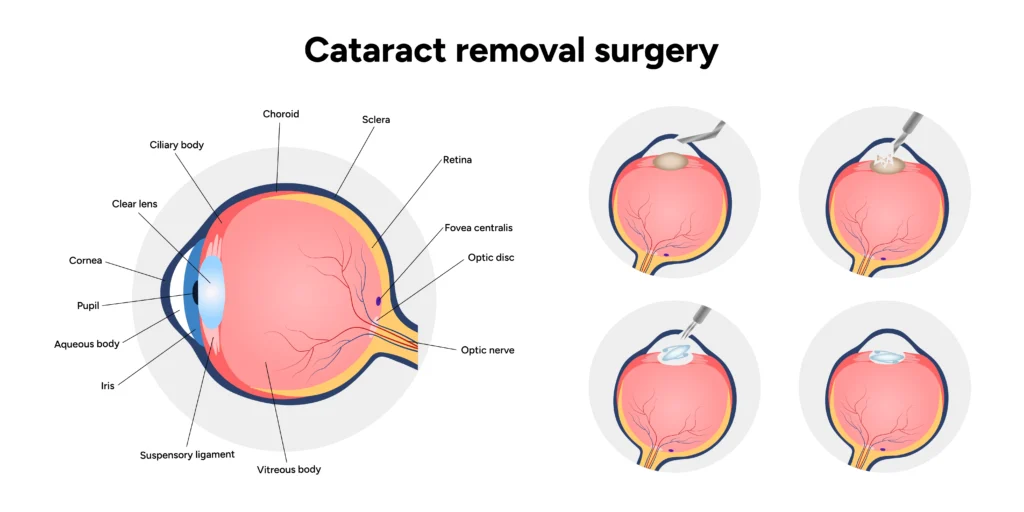
If you’re searching for cataract surgery in Mumbai, you’ll be glad to know that clinics like Oswal Eye Care in Chembur offer the latest techniques and lenses for optimal results.
Types of Cataract Surgery
There are several types of cataract surgery, depending on the technology used and your specific condition:
Phacoemulsification (Phaco Surgery): The most common method, where ultrasound waves are used to break up the cloudy lens before it’s gently removed.
MICS Cataract Surgery (Micro Incision Cataract Surgery): A modern technique that uses even smaller incisions for faster healing and minimal discomfort.
Laser Cataract Surgery: A bladeless, computer-assisted procedure that uses laser precision for lens removal and replacement. It’s one of the safest types of cataract surgery available today.
If you’re unsure which option suits you best, your ophthalmologist in Mumbai will guide you after a detailed eye examination.
Cataract Surgery Procedure: Step by Step
Let’s walk through the cataract surgery steps so you know what to expect on the day of your procedure.
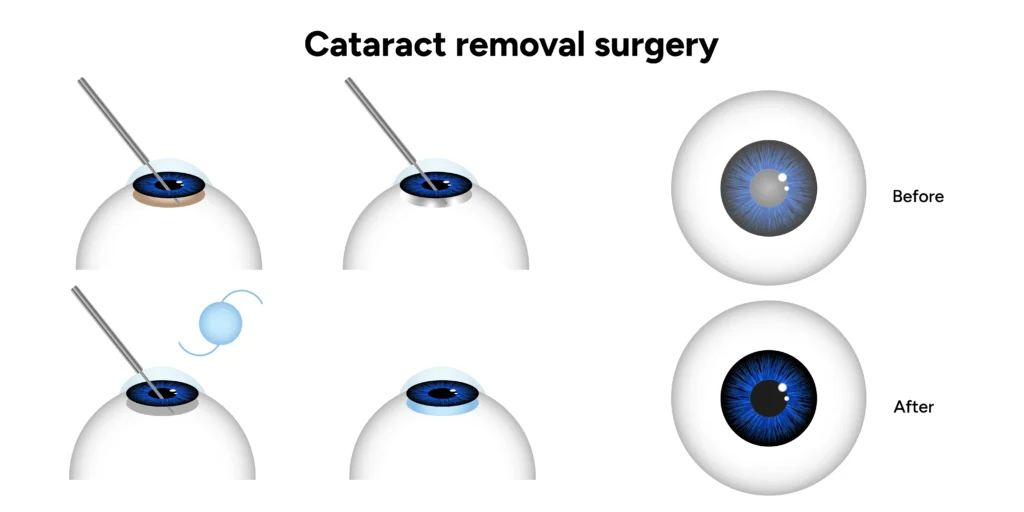
- Preparation and Anaesthesia: Before the surgery begins, your eye doctor will clean the area around your eye and place numbing eye drops to ensure you don’t feel any discomfort. In most cases, no general anaesthesia is required.
- Making a Micro Incision: A tiny incision—usually less than 2.5 mm—is made on the cornea (the clear front part of your eye). If you’re undergoing MICS cataract surgery or laser cataract surgery, this incision is even smaller and made with precise computer-guided technology, ensuring faster healing and minimal discomfort.
- Lens Removal: Next, the cloudy natural lens is broken up into tiny pieces using ultrasound waves (a process called phacoemulsification). These fragments are then gently removed through suction.
- Lens Implantation: Once the old lens is removed, it’s replaced with a new cataract surgery lens (IOL), a clear, artificial lens designed to restore sharp vision. These lenses can also correct pre-existing vision issues like astigmatism or presbyopia.
- Final Check and Recovery: After placing the new lens, your surgeon ensures it’s perfectly centered and that the incision seals naturally, usually without the need for stitches. A protective shield or patch may be placed over your eye to keep it safe as the anaesthesia wears off.
Choosing the Best Lens for Cataract Surgery
Selecting the best lens for cataract surgery is crucial for clear vision after the procedure.
There are different types of lenses for cataract surgery, including:
- Monofocal Lenses: Focus on one distance (usually far).
- Multifocal Lenses: Help you see both near and far without glasses.
- Toric Lenses: Correct astigmatism along with cataract removal.
At Oswal Eye Care, our specialists explain each option so you can choose the lens that best fits your lifestyle and vision goals.
Before and After Cataract Surgery: What to Expect
Before cataract surgery, your doctor will conduct a thorough eye exam and suggest the most suitable surgical method and lens. You may need to avoid eating or drinking a few hours prior to the procedure.
After cataract surgery, you’ll notice clearer vision within a few days. However, mild irritation, sensitivity to light, or watery eyes are normal and fade quickly. Your doctor will prescribe eye drops to prevent infection and inflammation.
Precautions After Cataract Surgery
Proper care after cataract surgery ensures faster healing and better results. Here are some key precautions after cataract surgery:
- Avoid rubbing or touching your eyes.
- Don’t lift heavy objects for at least a week.
- Use prescribed drops as directed.
- Avoid swimming or dusty environments.
- Wear protective sunglasses outdoors.
Your cataract surgery recovery time may vary but most people return to normal activities within 1–2 weeks. Also, take note of food not to eat after cataract surgery. Avoid spicy, oily, or processed foods that can trigger inflammation. Stick to nutrient-rich meals with fruits, leafy greens, and hydration for better healing.
Why Choose Oswal Eye Care for Cataract Surgery in Mumbai
At Oswal Eye Care, our team of experienced ophthalmologists combines advanced technology with compassionate care. Whether you need laser cataract surgery, MICS cataract surgery, or guidance on the best lens for cataract surgery, we ensure precise, safe, and effective treatment.

With our presence in Chembur, we’re easily accessible to patients searching for cataract surgery in Mumbai, ophthalmologist in Mumbai, or even pediatric ophthalmologist in Mumbai for family eye care.
FAQ
- How long is cataract surgery recovery time?
Most patients recover within 1–2 weeks, though complete cataract surgery recovery time can vary slightly depending on your overall health.
- Can cataract be cured without surgery?
There is no proven cataract cure without surgery or cataract removal without surgery. Eye drops or glasses may help manage symptoms temporarily, but surgery is the only lasting solution.
- What precautions should I take after cataract surgery?
Follow your doctor’s precautions after cataract surgery: avoid rubbing your eyes, use prescribed drops, and maintain a healthy diet. Be mindful of food not to eat after cataract surgery such as spicy or oily items.
