
Glaucoma Laser Treatment: Benefits, Procedure & Recovery
- October 26, 2025
- Comments: 0
- Posted by: Avinash n
If you’ve ever been told you have high eye pressure or signs of glaucoma, the first question that often comes to mind is: “Will I lose my vision?”
The good news is, with the right treatment, glaucoma can be managed effectively, helping you protect your eyesight for years to come. One of the safest and most trusted options today is glaucoma laser treatment, a quick, painless procedure that can make a big difference.
Let’s talk about what glaucoma really is, why timely treatment matters, and what happens before, during, and after laser therapy.
What Exactly Is Glaucoma and Why Does It Happen?
Glaucoma is not just one disease; it’s a group of conditions that damage the optic nerve, often due to increased eye pressure. This nerve connects your eye to your brain, so any damage can slowly affect your vision, starting from the edges (your side vision) and moving inward.
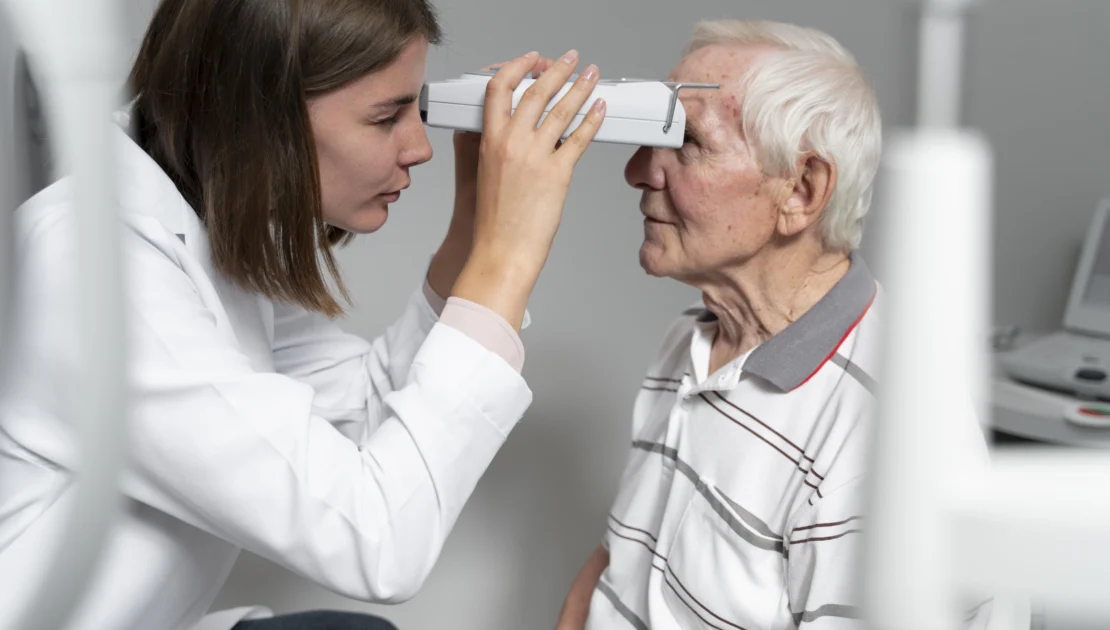
Many people don’t realise they have glaucoma until it’s already advanced, because the early signs are easy to miss. That’s why regular eye tests like an eye pressure test or a comprehensive eye exam are so important.
If you’re looking for a glaucoma specialist in Mumbai, it’s not just about finding a doctor, it’s about catching the problem before it quietly harms your vision.
Spotting the Subtle Signs: When Should You Get Checked?
Glaucoma doesn’t always come with pain or sudden changes in sight. Still, there are signs worth noticing:
- Gradual loss of peripheral (side) vision
- Blurred or patchy vision
- Eye redness or discomfort
- Seeing halos around lights
- Headaches or pressure in the eyes
If any of these sound familiar, don’t ignore them. Schedule a glaucoma screening or eye test for glaucoma to stay ahead of it.
When Eye Drops Aren’t Enough: The Role of Laser Treatment
In the early stages, doctors often prescribe glaucoma medication or glaucoma treatment eye drops to control pressure. But sometimes, despite consistent use, the pressure remains high and that’s where laser treatment for glaucoma comes in.
Laser therapy helps your eye drain fluid more efficiently, reducing pressure and slowing down the progression of the disease. It’s safe, precise, and can be a long-term solution when medication alone isn’t doing the job.
Step Inside the Procedure: What Really Happens During Glaucoma Laser Treatment
You might be wondering: What actually happens in the procedure? Here’s what a typical session looks like at Oswal Eye Care, Chembur:
- Gentle Preparation: You’ll receive numbing eye drops so you won’t feel pain or discomfort.
- Laser Application: Using a highly focused laser, your doctor targets the fluid drainage area in your eye.
- For open-angle glaucoma, a laser trabeculoplasty helps open drainage channels.
- For angle-closure glaucoma, a laser iridotomy creates a tiny passage for better fluid flow.
- Quick Recovery: The whole process usually takes around 10–15 minutes. Most people rest for a short while and then head home the same day.
It’s that simple, no stitches, no hospital stay, and very little downtime.
Why Patients Prefer Laser Treatment Over Traditional Options
People often assume surgery is the only solution, but glaucoma laser treatment offers several advantages:
- It’s non-invasive and nearly painless.
- You can return to daily activities quickly.
- It often reduces dependency on long-term eye drops.
- It lowers eye pressure effectively and helps prevent further optic nerve damage.
At Oswal Eye Care, our specialists carefully evaluate each case to choose the best treatment for glaucoma, because no two eyes are the same.
Life After the Laser: What Recovery Looks Like
After the procedure, your doctor may prescribe glaucoma medication or anti-inflammatory drops for a few days. You might experience mild redness or blurry vision, but this settles quickly.
- A few practical tips for smooth recovery:
- Avoid rubbing or pressing your eyes.
- Don’t engage in strenuous activities for at least a couple of days.
- Follow your follow-up schedule, these visits ensure your eye pressure stays under control.
Most people return to normal life within a day or two, but with clearer peace of mind.
Are There Natural or Alternative Treatments?
You’ll often hear about natural glaucoma treatments or alternative treatments for glaucoma, but it’s important to be cautious. While a healthy lifestyle, proper diet, and regular eye checkups can help overall eye wellness, they cannot replace medical or laser treatment when pressure levels are high.
Think of natural remedies as support, not a substitute. Always check with your ophthalmologist in Mumbai before trying anything new.
Your Eyes Deserve Expert Hands
At Oswal Eye Care, Chembur, we’re not just treating glaucoma, we’re helping people preserve their vision and their independence. Our best ophthalmologists in Mumbai use advanced diagnostic tools, offer tailored laser treatments, and take time to explain every step of your care.
If you’re looking for a glaucoma specialist near you or simply want a comprehensive eye exam, we’re right here in Chembur, ready to help you see clearly again.
FAQs
- Does laser treatment cure glaucoma permanently?
No, it helps control eye pressure and prevent further damage, but glaucoma itself can’t be reversed. Ongoing monitoring is still essential.
- How long does it take to recover after glaucoma laser treatment?
Most people recover within 24–48 hours and can return to normal activities soon after.
- Will I still need eye drops after the laser?
Some patients can reduce or stop using eye drops, while others may need them occasionally. Your doctor will guide you based on your results.
- Can glaucoma be treated without surgery or laser?
Glaucoma medication and glaucoma eye drops work well for many patients in the early stages. However, if eye pressure remains high, laser treatment is the most effective next step.
