
Why Early Detection is Key in Glaucoma Management

- September 28, 2025
- Comments: 0
- Posted by: Avinash n
Glaucoma is often called the “silent thief of sight” because it can damage vision gradually, often without any warning signs. Many people don’t notice a problem until vision loss has already occurred.
That is why early detection is so important. A timely glaucoma diagnosis allows for effective glaucoma treatment and gives patients the best chance to preserve their eyesight.
Detecting glaucoma early isn’t something to wait for, as it requires a proactive approach. A comprehensive eye exam can reveal subtle changes in eye pressure or optic nerve health that are invisible to the naked eye. Relying solely on symptoms can be dangerous, as glaucoma often progresses quietly.
In this blog, we will be taking you through how glaucoma develops, why early detection matters, the symptoms to watch for, and the tests that can catch it before it is too late. Taking action early can truly safeguard your eyesight for years to come.
Table of Contents:
- Understanding Glaucoma and Its Risks
- Why Early Detection Matters
- Symptoms to Watch For
- Common Tests for Detecting Glaucoma
- In Essence
- FAQs
Understanding Glaucoma and Its Risks
Before discussing treatment, let us first understand the symptoms of glaucoma. In most cases, glaucoma shows no obvious signs in the early stages. Some may experience gradual loss of peripheral vision, eye pain, headaches, or blurred vision, but these usually appear later.
That is why relying on symptoms alone is dangerous. Instead, scheduling regular glaucoma evaluation sessions with a trusted ophthalmologist in Chembur ensures that even the smallest changes in eye pressure or optic nerve health are detected early.
Why Early Detection Matters
Once vision is lost to glaucoma, it cannot be restored. Early detection allows doctors to start glaucoma medication or recommend procedures such as glaucoma laser treatment before significant damage occurs.
More importantly, identifying the problem early gives you access to more treatment options. If you wait too long, the condition may progress to a stage where only advanced interventions, like microsurgery & laser centre procedures, can help slow it down.
Symptoms to Watch For
Glaucoma often develops quietly, without noticeable signs, earning it the nickname “silent thief of sight.” Many people don’t realize there’s a problem until their vision is already affected. That’s why paying attention to early warning signs is so important.
Small changes like mild peripheral vision loss, occasional eye discomfort, blurred vision, headaches, or seeing halos around lights can indicate the onset of glaucoma. These symptoms can be easy to miss, which makes regular eye exams essential.
By noticing even minor changes in vision or eye health, it becomes possible to seek timely care, manage the condition effectively, and protect eyesight from permanent damage before it is too late.
Common Tests for Detecting Glaucoma
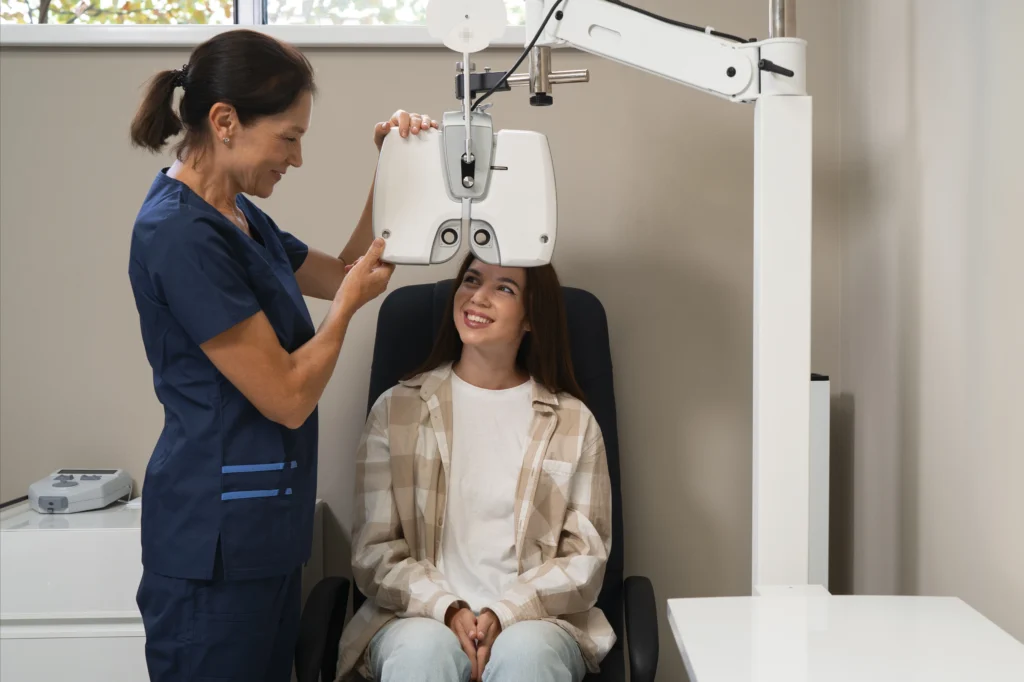
The eye test for glaucoma is quick and painless. It usually involves checking your eye pressure, examining your optic nerve, and testing your visual field.
Here is a quick comparison of common tests used for early glaucoma detection:
| Test Name | Purpose | Time Taken |
| Tonometry | Measures eye pressure | 1-2 mins |
| Ophthalmoscopy | Examines optic nerve health | 5 mins |
| Visual Field Test | Checks side vision loss | 15-20 mins |
These tests are an important part of vision loss prevention. Even if you feel your vision is fine, these screenings can detect problems years before symptoms appear.
In Essence,
Glaucoma may be silent, but its damage can be loud and permanent. The only way to outsmart it is through early detection, regular checkups, and timely intervention.
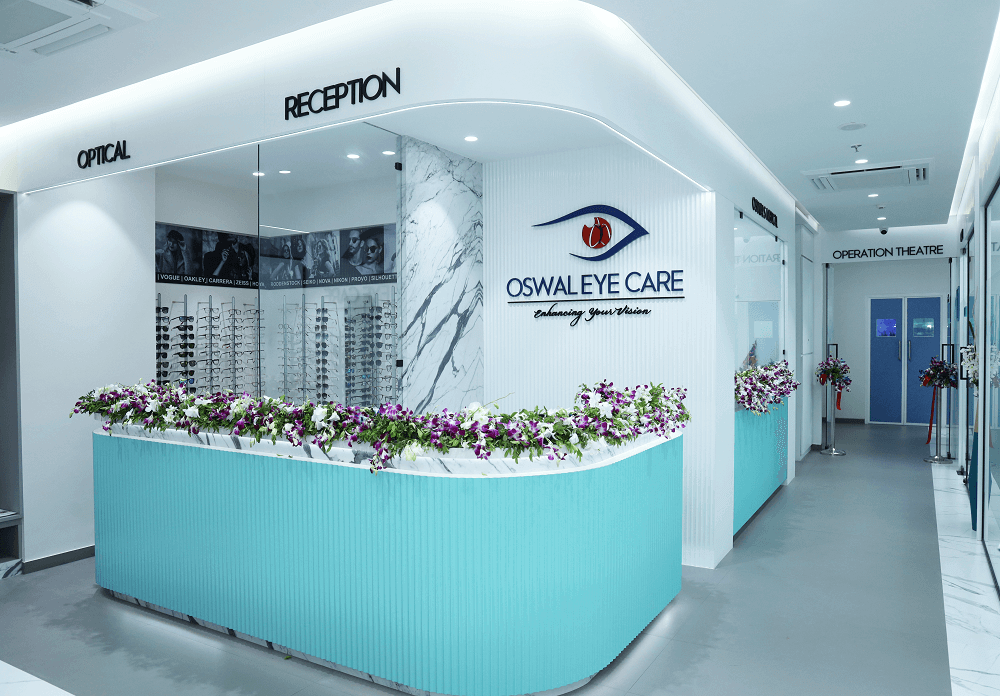
And now, if you are looking for the best eye hospital in Chembur, Mumbai, to get the best treatment for glaucoma, then Oswal Eye Care is the right name for you. Founded by Dr. Akshata Oswal, Oswal Eye Care preserves and maintains state-of-the-art healthcare facilities that add to the comfort of our patients. Oswal Eye Care has the best eye doctors. Our infrastructure is equipped with the latest technological advancements, in-house medical and optical stores. Our team consists of credible doctors with over 10 years of experience, dedicated to giving you the best possible care.
With regular visits and a proactive approach, you can protect your vision and detect issues before they become serious. Don’t wait for symptoms to appear – schedule a consultation today and take control of your eye health. Early detection is the key to preserving your eyesight and maintaining a lifetime of clear vision.
FAQs
Q.1. What are the early symptoms of glaucoma?
Early signs of glaucoma can be subtle and often go unnoticed. Common symptoms include mild peripheral vision loss, increased eye pressure, frequent headaches, or slight eye discomfort. Regular eye check-ups are crucial, as early detection can prevent severe vision impairment and help manage the condition effectively.
Q.2. How effective is glaucoma treatment?
Glaucoma treatment is highly effective when started early and followed consistently. Medications, laser therapy, or surgery can slow or even halt the progression of vision loss. Regular monitoring and adherence to your doctor’s instructions are important to preserve eyesight and maintain overall eye health.
Q.3. How often should I go for a glaucoma evaluation?
You should undergo glaucoma evaluation at least once a year, or more frequently if recommended by your eye doctor. Regular check-ups help track eye pressure, monitor vision changes, and adjust treatment as needed. Always remember that eEarly detection and continuous monitoring are key to preventing serious vision loss.
