
Glaucoma Risk: Lifestyle Habits You Must Avoid Today

- January 19, 2026
- Comments: 0
- Posted by: Avinash n
Glaucoma is often called the silent thief of sight. Unlike many eye conditions, it may not show noticeable symptoms until significant vision loss has already occurred. This is why understanding glaucoma risk factors and making timely lifestyle changes is extremely important.
Many people believe glaucoma is only related to age or genetics, but daily habits also play a role in increasing eye pressure and damaging the optic nerve. In this blog, we explore glaucoma causes and risk factors, the lifestyle habits you must avoid, and how early testing and treatment can protect your vision.
What Is Glaucoma and Why Is It Dangerous?
Glaucoma is a group of eye conditions that damage the optic nerve, usually due to increased pressure inside the eye, known as intraocular pressure.
If not detected and treated early, glaucoma can lead to permanent vision loss and even blindness. The damage caused by glaucoma cannot be reversed, which makes prevention and early diagnosis essential.
Glaucoma Causes and Risk Factors Explained
There is no single cause of glaucoma. Instead, several factors increase the risk of developing the condition.
Common glaucoma risk factors include:
- Increased eye pressure
- Family history of glaucoma
- Age above 40
- Diabetes or high blood pressure
- Long-term steroid use
- Eye injuries
- Thin corneas
- Poor blood circulation
Open Angle Glaucoma Risk Factors
Primary open angle glaucoma is the most common type of glaucoma and often develops slowly without early symptoms.
- Family history of glaucoma
- High eye pressure over time
- Ageing
- Diabetes and heart disease
- Smoking and poor lifestyle habits
Angle Closure Glaucoma Risk Factors
Angle closure glaucoma is less common but more dangerous and can cause sudden symptoms.
- Shallow anterior chamber of the eye
- Farsightedness
- Sudden pupil dilation
- Certain medications
- Sudden changes in lighting or stress
An acute angle closure attack is a medical emergency and requires immediate treatment.
Normal Tension Glaucoma Risk Factors
In normal tension glaucoma, optic nerve damage occurs even when eye pressure is within normal limits.
- Low blood pressure
- Migraine history
- Poor blood flow to the optic nerve
- Sleep apnoea
- Family history
Lifestyle Habits That Increase Glaucoma Risk
Certain everyday habits can silently raise eye pressure or reduce blood flow to the optic nerve.
- Smoking and excessive alcohol intake: Damages blood vessels and affects eye pressure regulation.
- Poor sleep posture: Sleeping face down or with a flat head position can increase eye pressure.
- Prolonged screen time without breaks: May contribute to eye strain and pressure fluctuations.
- Lack of physical activity: Poor circulation affects overall eye health.
- High caffeine intake: Can temporarily raise eye pressure in some individuals.
Can Glaucoma Be Prevented?
Glaucoma cannot always be prevented, but early detection and lifestyle changes can significantly reduce the risk of vision loss.
Effective glaucoma prevention tips include:
- Regular comprehensive eye exams
- Routine glaucoma eye pressure tests
- Managing diabetes and blood pressure
- Avoiding smoking
- Following prescribed treatment strictly
Importance of Glaucoma Eye Pressure Test
The glaucoma eye pressure test is a key screening tool, but diagnosis involves more than pressure measurement alone.
- Eye pressure measurement
- Optic nerve examination
- Visual field testing
- Corneal thickness measurement
- Drainage angle assessment
Glaucoma Treatment Options Available Today
Glaucoma treatment focuses on controlling eye pressure to prevent further optic nerve damage.
- Eye drops
- Oral medications
- Laser procedures
- Surgery for advanced cases
Glaucoma Treatment in Mumbai: What Patients Should Know
Glaucoma treatment cost in Mumbai depends on disease stage, diagnostic tests, medications, and whether laser or surgery is required.
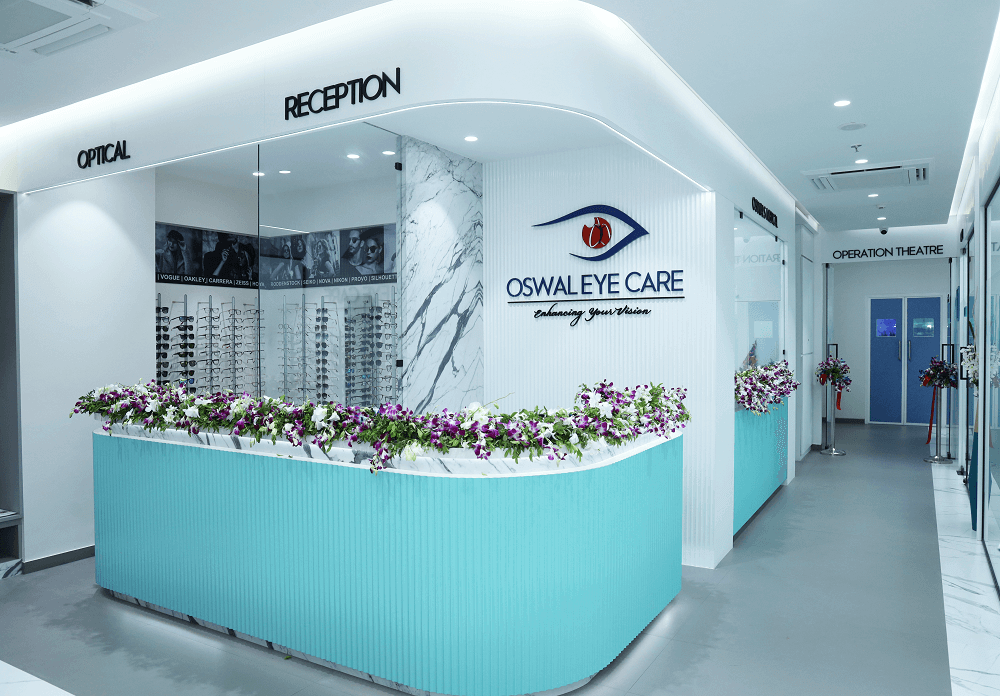
Glaucoma Care at Oswal Eye Care, Chembur
Oswal Eye Care in Chembur offers comprehensive glaucoma evaluation using modern diagnostic tools and personalised care.
- Detailed glaucoma risk assessment
- Accurate eye pressure testing
- Early detection of glaucoma types
- Transparent discussion of glaucoma treatment cost in Mumbai
- Long-term monitoring and lifestyle counselling
Conclusion
Glaucoma often progresses silently, but the damage it causes is permanent. Understanding glaucoma risk factors and avoiding harmful lifestyle habits can make a meaningful difference.
Regular eye check-ups, early testing, and timely treatment are the strongest defences against vision loss. With proper care and expert guidance, glaucoma can be managed effectively.
FAQs
- What are the main glaucoma risk factors?
Age, family history, high eye pressure, diabetes, and lifestyle habits are common risk factors.
- Can glaucoma be detected early?
Yes. Regular eye exams and glaucoma eye pressure tests help detect the condition early.
- Is glaucoma treatment expensive in Mumbai?
Costs vary depending on disease stage and treatment type. Early treatment is usually more affordable.
- Which type of glaucoma is most common?
Primary open angle glaucoma is the most common and progresses slowly.
- Can lifestyle changes help manage glaucoma?
Yes. Healthy habits, regular monitoring, and proper treatment help control glaucoma progression.
