
Who Is Most at Risk for Glaucoma and Why Early Testing Saves Vision
- December 25, 2025
- Comments: 0
- Posted by: Nimesh
Glaucoma is often called the silent vision thief, and for good reason. In most cases, it develops slowly and painlessly, without obvious warning signs. By the time people notice vision loss, the damage is often permanent.
The good news is that early testing and timely glaucoma treatment can protect your eyesight and slow or even stop further damage. Understanding who is most at risk for glaucoma and why regular eye testing matters can make a life-changing difference.
What Is Glaucoma and Why Is It So Serious?
Glaucoma is a group of eye conditions that damage the optic nerve, which is responsible for sending visual information from your eye to your brain. This damage is usually caused by increased pressure inside the eye, known as intraocular pressure.
Once optic nerve damage occurs, it cannot be reversed. That is why vision loss prevention depends heavily on early detection and ongoing treatment.
Types of Glaucoma You Should Know About
Open-Angle Glaucoma
This is the most common type. Eye pressure builds up slowly, and vision loss starts in the peripheral or side vision. Most people do not notice symptoms early.
Angle-Closure Glaucoma
This type develops suddenly and is a medical emergency. Symptoms may include severe eye pain, headache, nausea, blurred vision, and halos around lights.
Normal-Tension Glaucoma
Even with normal eye pressure, the optic nerve gets damaged. This makes regular testing essential even if pressure readings seem fine.
Secondary and Congenital Glaucoma
These occur due to other eye conditions, injuries, medications, or are present from birth.
Who Is Most at Risk for Glaucoma?
Certain groups are more vulnerable and should never skip glaucoma screening.
- People over the age of 40
- Those with a family history of glaucoma
- People with diabetes or high blood pressure
- Long-term steroid users
- People with high eye pressure
- Individuals with past eye injuries or surgeries
Symptoms of Glaucoma Often Go Unnoticed
One of the most dangerous aspects of glaucoma is the lack of early symptoms.
- Gradual loss of side vision
- Difficulty seeing in low light
- Frequent changes in glasses prescription
- Blurred vision in advanced stages
By the time central vision is affected, significant optic nerve damage has already occurred.
Why Early Testing Saves Vision
Early glaucoma diagnosis is the only way to protect vision long term.
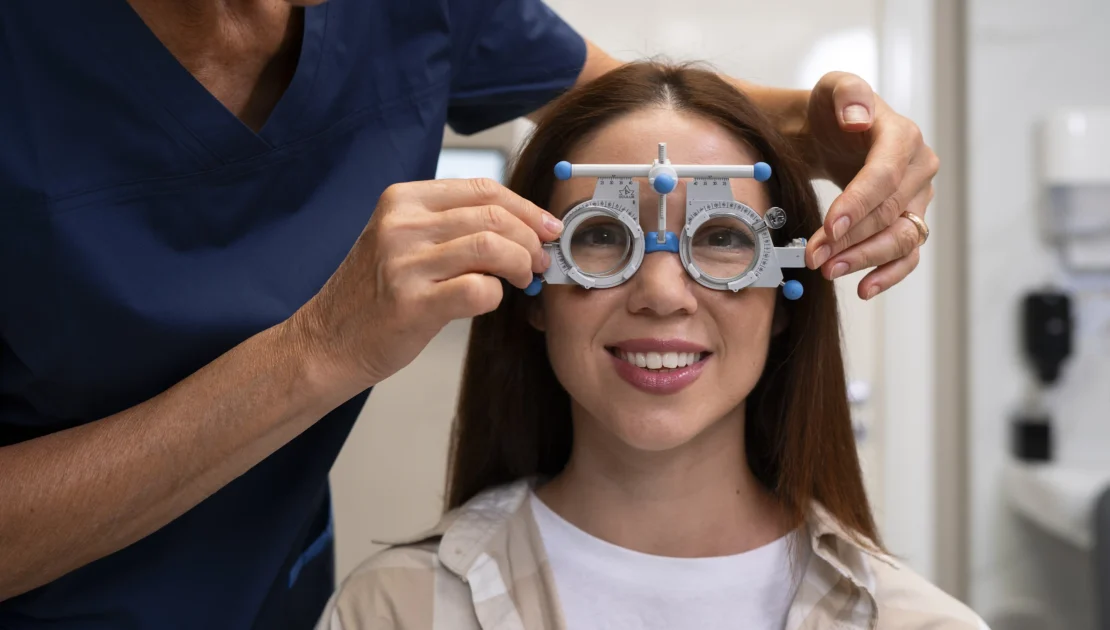
A comprehensive eye exam includes:
- Eye pressure test
- Optic nerve damage evaluation
- Visual field testing
- Corneal thickness measurement
- Detailed glaucoma assessment
Eye Test for Glaucoma Is Simple and Painless
Many people avoid testing because they think it will be uncomfortable. In reality, glaucoma screening is quick, painless, and non-invasive.
Routine eye exams at clinics like Oswal Eye Care help detect early changes even before symptoms appear.
What Is the Treatment for Glaucoma?
While glaucoma cannot be cured, it can be controlled effectively.
Glaucoma Treatment Eye Drops
Eye drops are usually the first line of treatment. They reduce eye pressure by improving fluid drainage or reducing fluid production.
Glaucoma Medication
In some cases, oral medication may be prescribed.
Laser Treatment for Glaucoma
Laser treatment improves fluid drainage and helps lower eye pressure safely and effectively.
Surgical Options
Surgery may be recommended when medications and laser treatment are not sufficient.
Are There Natural or Alternative Treatments for Glaucoma?
Healthy lifestyle choices support eye health but cannot replace medical treatment. Relying only on natural methods may allow glaucoma to progress silently.
Why Regular Monitoring Is Essential
Glaucoma is a lifelong condition. Even after treatment begins, regular follow-ups are essential to monitor eye pressure, optic nerve health, and prevent further vision loss.
Conclusion
Glaucoma does not announce its arrival with pain or obvious warning signs. By the time vision loss becomes noticeable, damage is often permanent. Early testing, accurate diagnosis, and the right treatment plan are the strongest tools to preserve your eyesight.
FAQs
- Who should get tested for glaucoma?
Anyone over 40, people with family history, diabetes, high eye pressure, or long-term steroid use should undergo regular screening.
- Is glaucoma treatment lifelong?
Yes. Glaucoma requires continuous monitoring and treatment.
- Does glaucoma cause complete blindness?
If untreated, it can lead to severe vision loss. Early treatment helps prevent blindness.
- Is laser treatment for glaucoma safe?
Yes. Laser treatment is widely used and considered safe.
- Can eye drops cure glaucoma?
Eye drops control eye pressure but do not cure glaucoma.
