
How Diabetes Affects Your Eyes: Signs You Shouldn’t Ignore
- October 31, 2025
- Comments: 0
- Posted by: Nimesh
If you have diabetes, you probably already know how important it is to keep your blood sugar in check. But here’s something many people overlook. Diabetes doesn’t just affect your heart or kidneys; it can quietly affect your eyes too.
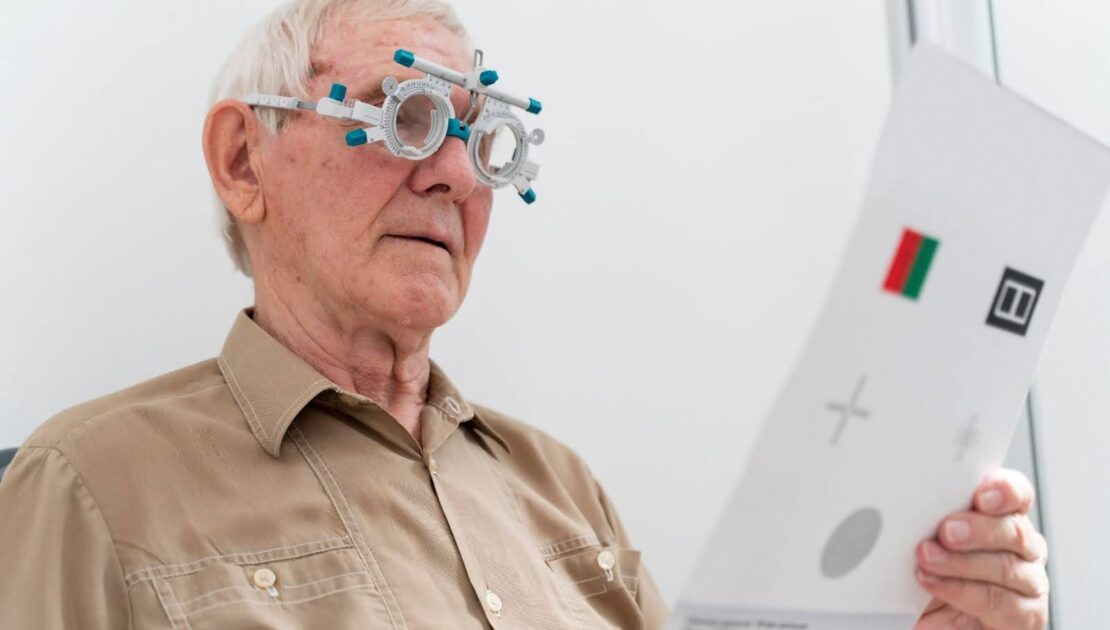
Eye-related complications of diabetes tend to progress slowly and painlessly, which makes regular eye checkups all the more important. A quick eye examination test can often detect early signs of damage long before vision changes appear.
So, whether you’re booking an eye checkup in Mumbai or searching for the best ophthalmologist near you, this blog can help you with it. But first, understanding how diabetes impacts your eyes is the first step toward protecting them.
Understanding Diabetic Eye Disease
Diabetes can affect the tiny blood vessels that nourish your eyes, particularly those in the retina: the layer at the back of the eye that helps you see clearly. When these vessels weaken or get damaged, it leads to a condition called diabetic retinopathy.
If left unchecked, diabetic retinopathy can cause blurred vision, dark spots, or even complete vision loss. But that’s not the only concern. People with diabetes are also at higher risk of developing:
- Cataracts, which make your vision appear cloudy or hazy.
- Glaucoma, a condition where increased eye pressure damages the optic nerve.
- Macular Edema, where swelling in the central part of the retina affects sharpness and detail.
The reassuring part is that all these issues are manageable and in many cases preventable with timely advance eye checkups and consistent diabetes control.
Early Warning Signs You Shouldn’t Ignore
Sometimes, changes in vision happen so gradually that they’re easy to miss. But for someone with diabetes, even the smallest shift could be a warning sign. Look out for:
- Blurred or fluctuating vision
- Dark spots or empty areas in your sight
- Difficulty reading or focusing on objects
- Seeing floaters or flashes of light
- A sudden drop in vision
- Eye pain or pressure
If you notice any of these, it’s best to schedule an eye vision test with a qualified ophthalmologist in Mumbai without delay.
How Diabetes Damages the Eyes: Simply Explained
High blood sugar can cause blood vessels in the retina to swell, leak fluid, or close off completely. In response, the body tries to grow new vessels but these are fragile and prone to bleeding, which can cloud your vision or lead to retinal detachment.
The process happens in stages:
- Mild Non-Proliferative Retinopathy: Early damage without noticeable symptoms.
- Moderate to Severe Retinopathy: Blocked vessels restrict oxygen flow to the retina.
- Proliferative Retinopathy: New, fragile vessels form and may leak blood, threatening your sight.
That’s why an annual eye check up is essential, it helps detect these subtle changes before they start affecting your daily life.
Managing Diabetes for Better Eye Health
Keeping your vision healthy begins with controlling your blood sugar but that’s just the start. Small lifestyle choices can go a long way in protecting your eyes:
- Maintain stable blood sugar levels throughout the day.
- Keep your blood pressure and cholesterol within normal ranges.
- Schedule regular eye checkups even if your vision feels fine.
- Include physical activity in your routine to improve circulation.
- Avoid smoking, which damages blood vessels in the eyes.
Getting even just a home eye test or an online eye test ensures that your eyes get the specialised care they need, especially if you’ve been diabetic for several years.
Why Regular Eye Checkups Matter
One of the biggest challenges with diabetic eye diseases is that they often progress silently. You might not feel or see any difference until your vision is already affected.
That’s why experts recommend a comprehensive eye checkup at least once a year or more frequently if advised by your doctor. For children and pregnant women with diabetes, even closer monitoring is essential.
Whether you prefer a home eye test or an in-clinic eye examination, staying consistent is what matters most. Many clinics now even host free eye checkup camps in Mumbai, making it easier for everyone to get screened regularly.
Conclusion: Protect Your Vision Before It’s Too Late
Diabetes doesn’t have to mean losing your vision but it does mean paying attention. The eyes often show early signs of diabetes-related changes long before other symptoms appear, making regular eye checkups a crucial part of your health routine.
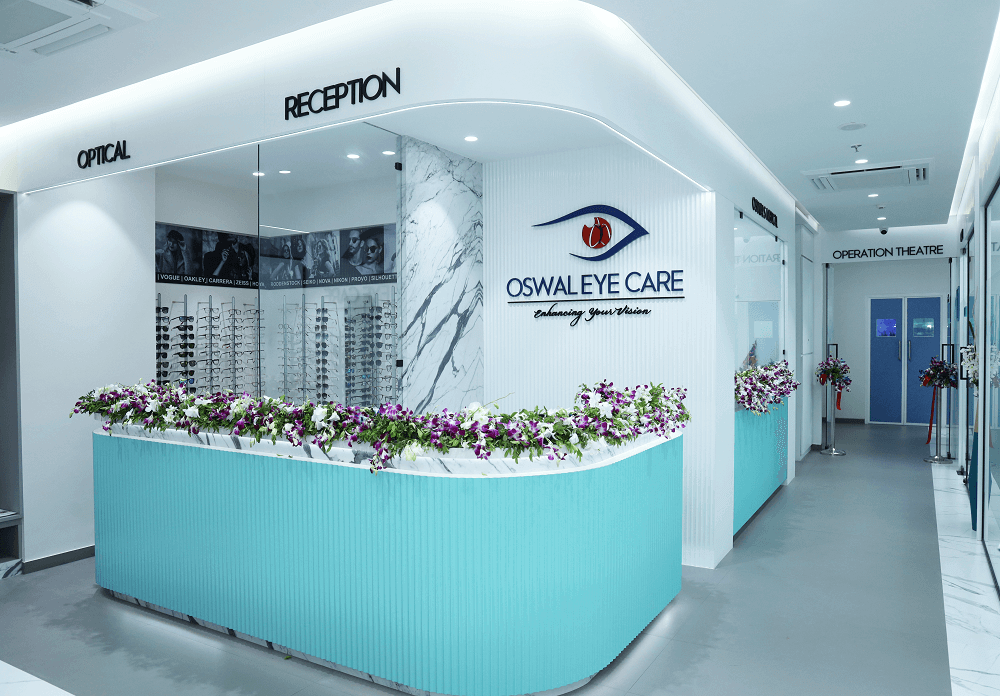
At Oswal Eye Care in Chembur, we understand how diabetes affects eye health and offer complete diagnostic and treatment options under one roof. With advanced technology and personalised care, we help you stay one step ahead, so your vision remains as sharp as your focus on staying healthy.
Your eyes deserve attention. Don’t wait for symptoms. Book your eye checkup today and keep your vision clear, bright, and protected for years to come.
FAQ
- How does diabetes affect the eyes?
High blood sugar damages the small blood vessels in the retina, leading to conditions such as diabetic retinopathy, glaucoma, and cataracts.
- Can diabetic eye damage be reversed?
Early-stage damage can often be controlled or improved with treatment and stable sugar levels.
- How often should someone with diabetes get an eye checkup?
Once a year, or more often if your ophthalmologist detects early signs of eye changes.
- Are basic vision tests enough for diabetics?
No. A standard eye sight test only measures vision clarity. Diabetic patients also need scans like OCT and fundus imaging for a detailed assessment.
